A photograph can show a familiar place yet feel completely personal. Fine art photography begins with that personal point of view, using the camera to communicate an idea, mood, memory, or visual question.
It isn't defined by one subject, camera, or editing method. A landscape, portrait, still life, and abstract image can all become art photography when artistic intent guides the final work.
For collectors, the most rewarding images offer more than a record of what stood before the lens. They express creative expression, invite repeat viewing, and leave room for interpretation.
Key Takeaways
- Fine art photography is defined by artistic intent, not by a specific subject, camera, or editing method.
- The photographer's choices in light, framing, timing, color, focus, and presentation give an image its meaning.
- Fine art photography can overlap with documentary and commercial work, but its primary purpose is personal expression rather than recording evidence or serving a client.
- Collectors should consider an artist's visual voice, body of work, statement, print process, edition size, scale, and placement before buying.
What Makes Fine Art Photography Different?
Fine art photography places the photographer's artistic vision at the center. The finished image may document a real scene, but the artist's choices give it meaning.
Intent Shapes the Image
Light, framing, timing, color, focus, and print size all affect how an image feels. A photograph of an empty chair might suggest absence, comfort, or tension, depending on its setting and treatment.
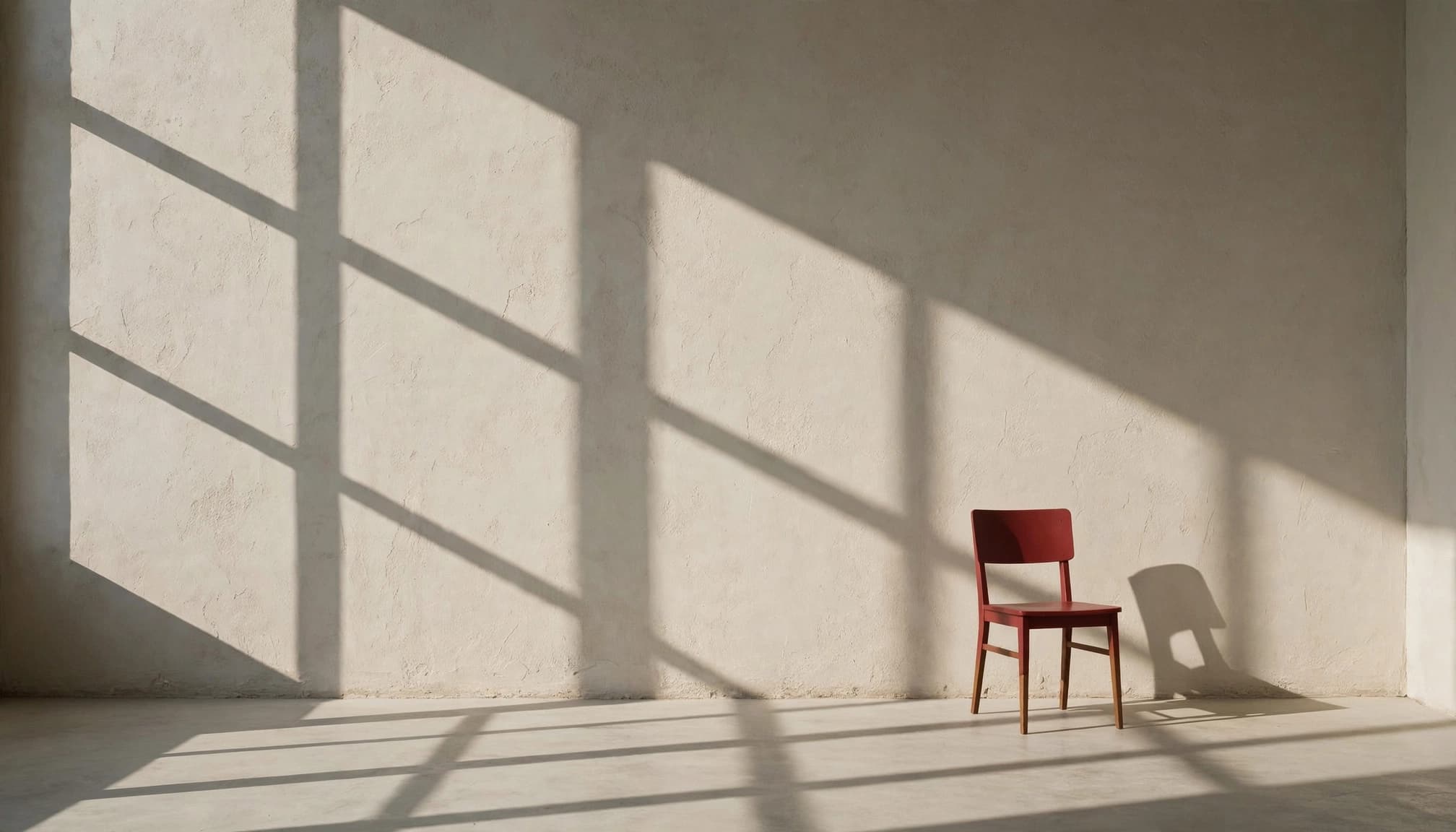
As a result, fine art photography often asks viewers to slow down. Instead of proving that something happened, it may explore isolation, identity, place, or the passage of time.
Context Matters as Much as Subject
A single image can be fine art, yet a connected body of work often makes the artist's purpose clearer. An artist statement can help collectors understand how individual photographs relate to the larger series.
The same flower photograph could be product advertising, a botanical record, or a poetic study of decay. Subject matter doesn't settle the question. Purpose and presentation do.
Fine Art Photography vs. Documentary Work and Commercial Photography
The boundaries between photographic genres are flexible. Many photographers move between them, and one image can carry qualities of more than one category.
Documentary Photography Records Evidence
Documentary photography and photojournalism prioritize people, places, and events as they happened. Accuracy, context, and public understanding are central concerns.
Fine art work can also photograph real life. However, it may alter sequence, setting, color, or context to express a personal interpretation. A street photography image can therefore be both an observation and part of an artistic series.
Commercial Photography Communicates for a Client
Commercial images usually promote a product, service, or brand. Commercial photography is built around a client's message and audience.
A fine art photographer answers primarily to the work's own idea. That freedom doesn't make one category better than another. It simply changes commercial photography's main job.
A fine art photograph can be technically simple. The lasting distinction is the meaning created through the artist's choices.
Historical Roots of Photography as Art
Photography's place in museums and galleries grew through artists, critics, publishers, and exhibition history. These efforts helped establish art photography as visual art with an expressive range.
Alfred Stieglitz Advocated for Modern Photography
Alfred Stieglitz helped shape early twentieth-century attitudes toward photography as an art form. Tate describes him as a leader of American modern photography, as well as a photographer, dealer, and publisher.
Alfred Stieglitz's advocacy and a gallery exhibition of his work encouraged viewers to judge photographs for composition and feeling, rather than treating them only as factual records.
Ansel Adams Made Landscape Expressive
Ansel Adams is closely associated with carefully composed black-and-white landscapes. His photographs show how a natural scene can become an interpretation through tonal control, timing, and printmaking.
A scholarly discussion of Stieglitz, Strand, Weston, and Adams traces the ideas that shaped their work. The approaches of Alfred Stieglitz and Ansel Adams still influence how collectors read photographic prints today.
Genres, Process, and the Artist Statement
Fine art collections borrow familiar genres from painting, then stretch them through photography's own tools.
Traditional Subjects Still Hold Power
Landscape photography can focus on weather, scale, and human traces. Portrait photography may examine identity or performance. Still life turns ordinary objects into studies of color, texture, and arrangement.
Black and white can heighten form and contrast, while color can carry emotional weight. Neither treatment is inherently more artistic. The concept should guide the choice.
Conceptual Work and the Artist Statement
Conceptual photography starts with an idea that the image helps express. Artists may build a staged tableau, direct a sitter, combine multiple exposures, or use digital manipulation.
These choices become part of the work's language when they support its concept. A strong body of work uses a consistent technique without becoming repetitive.
An artist statement can briefly name the subject, concept, process, and viewing context. The artist statement also helps collectors understand how the finished images relate to one another. A clear artist statement uses plain language, which is usually more useful than abstract claims.
How to Buy Fine Art Photography With Confidence
When you buy art online, look beyond a thumbnail. Consider the image's scale, surface, limited edition size, and how it relates to the room where it will live.
Online viewing can flatten texture and scale, so imagine how the work will read in your room or in a gallery.
Look for a Clear Visual Voice
A strong photograph holds attention at close range and across the room. Notice recurring visual decisions: stark geometry, soft grain, saturated color, layered shadows, or a particular relationship to nature.
Read the artist statement alongside the image to see how those choices support the photographer's intent.
For example, a curated selection of fine art photography prints can help you compare architectural rhythm, candid scenes, and elemental landscapes in color or black and white. The artist statement can clarify how a photograph relates to a broader series and a coherent body of work.
Consider Print and Placement Together
Print material, framing, and dimensions influence how an image reads. A large work can anchor a room, while a smaller photograph may reward closer viewing. Ask about the photographer's limited edition policy, print process, care guidance, and any certificate offered with the piece.
When comparing fine art prints and abstract prints, apply the same standard: choose work with a distinct point of view, not decoration that merely fills a wall.

Frequently Asked Questions
Does Fine Art Photography Need Heavy Editing?
No. Some artists use extensive digital manipulation, while others make minimal adjustments. Editing becomes meaningful when it supports the image's intent. An artist statement can clarify whether that means preserving subtle tonal detail or building an impossible scene.
Can a Photograph Be Both Documentary and Fine Art?
Yes. Genres often overlap. A photograph can record a real person or place while also forming part of an artist's personal visual project. Context, sequencing, captions, and presentation shape how viewers understand it. An artist statement can provide context when the work bridges documentary and fine art photography.
Final Thoughts
Fine art photography asks you to see more than the subject in front of the camera. Artistic intent, considered choices, and a coherent body of work turn light and circumstance into an image with a point of view.
The best pieces remain interesting because they keep offering new details, feelings, and associations. That sustained attention is part of what makes a photograph art.