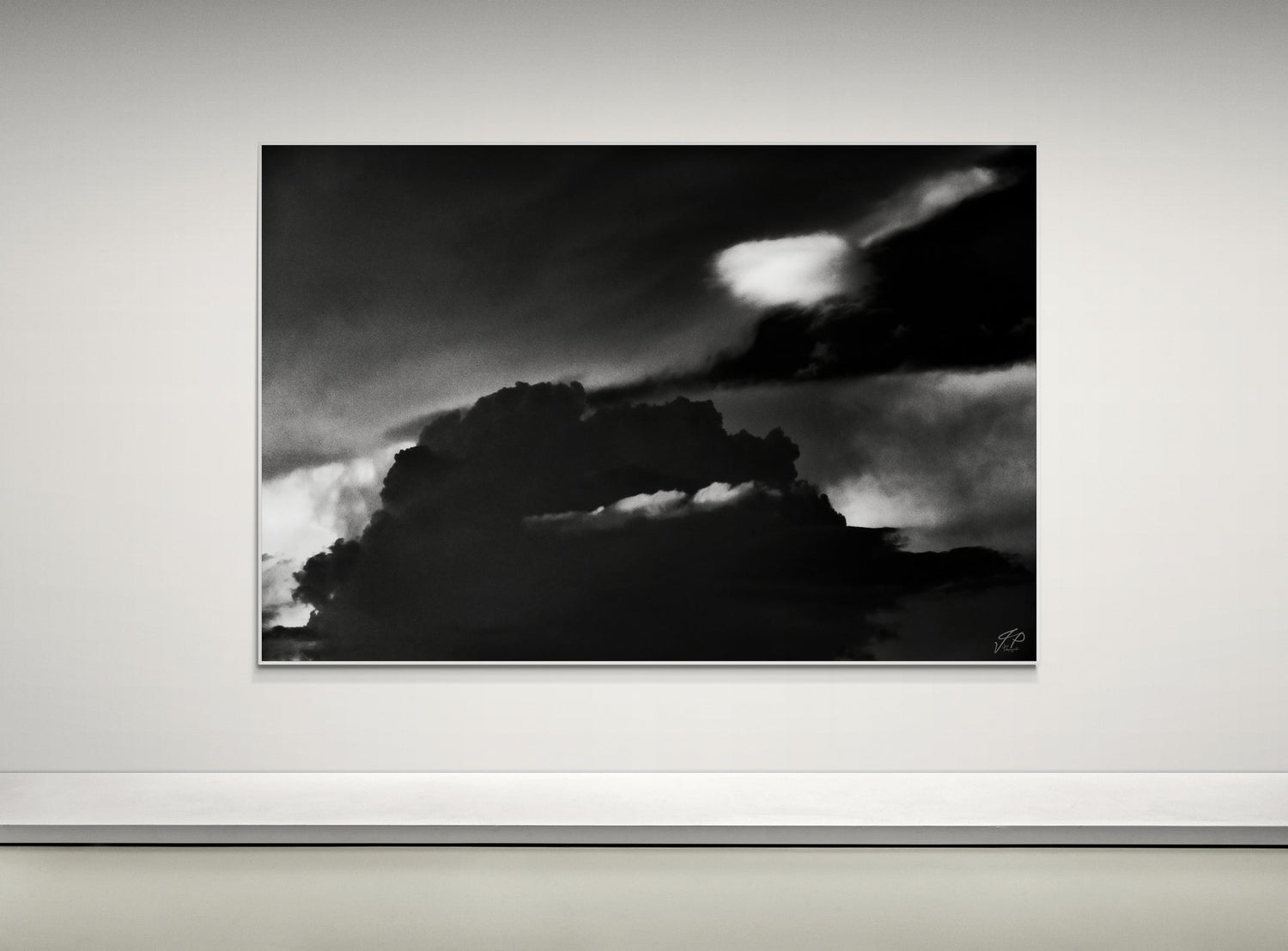
Black and white art strips things down to what matters most. Without color, we pay closer attention to shape, light, shadow, and feeling. It has a stillness that pulls you in and makes you slow down, even if only for a moment.
For many collectors, fine art in black and white photography has long offered that quiet kind of strength. As we settle into the slower days of winter, January feels like the right time to bring this kind of steady energy into the home. Grayscale tones help clear visual distractions and offer calm where everything else might feel rushed or noisy.
This simplicity and focus are not just about what you see on the surface. It affects how you feel within a space, inviting a sense of peace and contemplation that reaches beyond the photograph itself. By drawing out emotion through form and light, black and white art gives your home a kind of quiet resilience.
Key Takeaways
-
Black and white photography removes color distractions, so viewers focus on light, shadow, shape, and emotion.
-
In winter (especially January), grayscale art can make rooms feel calmer and less visually busy.
-
Black and white prints add balance in colorful spaces, because they create a visual pause instead of competing for attention.
-
Monochrome photography works in modern and traditional interiors, and it anchors a room without dating the decor.
-
For contrast, pair black and white work with select color pieces (like butterfly photography) to mix calm with movement.
The Quiet Power of Simplicity
Color can be bold and exciting, but there is something about the absence of it that lets a piece breathe. When color steps back, the emotion of the photograph steps forward.
- The way light softly moves across a face or a tree branch becomes more noticeable
- Simple shapes and forms start to feel important rather than background details
- In a space full of color, black and white art adds balance and focus
For living rooms or offices filled with energy, grayscale brings visual pause. It does not fight for attention. It gives it.
Sometimes less is truly more. Simplicity shifts the atmosphere of a room, making it feel lighter and more open. Black and white photography, by relying on shades and contrast, can create an effortless sense of elegance. It creates just enough calm that you actually notice and appreciate the details around you.
Seeing Moments More Clearly
Some of the clearest emotions show up in moments that feel still. That is one of the reasons we turn to fine art in black and white photography. Removing color can make a scene feel closer, more personal, as if you are seeing the pause between breaths.
- A foggy field becomes more than just scenery. It becomes a story with space to think.
- A portrait feels more honest when what remains is light touching skin or eyes meeting the camera
- Even movement, like a bird taking flight or a long shadow stretching across the ground, feels heightened
What color sometimes hides, black and white brings forward. The quiet lets us step into the image and stay longer.
By focusing solely on what is essential, such as a meaningful glance or the calm of a landscape, these photos draw us deeper into the moment. You notice the waiting, the expectation, and the small shifts in atmosphere. These moments are captured so clearly that the feeling remains long after you step away.
Creating Contrast in Winter Spaces
January light tends to be soft and low. Days are shorter, skies are quieter, and indoor spaces take center stage. This is the time when strong visual contrast feels most needed. Black and white photography catches the eye by standing apart from the rest of the room. It brings clarity into corners and pulls in focus without overwhelming.
- With walls painted in warm or neutral shades, black and white prints feel grounded and restful
- Paired with natural light, these images shift in tone throughout the day, adding interest to a gray afternoon
- When paired alongside our butterfly photography project, there is a natural push and pull between stillness and color movement
The result is balance. Winter asks for both quiet reflection and a spark of life. Using both tones of monochrome and the color flight of butterflies lets us bring both into one space.
Bringing contrast into a winter space means allowing the artwork to spark interest and invite conversation. A monochrome photograph stands on its own or shares a wall with richly colored pieces, and together they help the room feel dynamic rather than static. This contrast can brighten a gloomy day, encouraging people to linger in a room just a little longer.
The Right Fit for Modern and Traditional Collectors
Whether your space is more classic or modern, black and white art does not feel out of place. Its clean visuals and steady tone allow it to connect across styles.
- In minimalist homes, it acts as a clean focal point
- In older or more traditional settings, it softens more decorative features
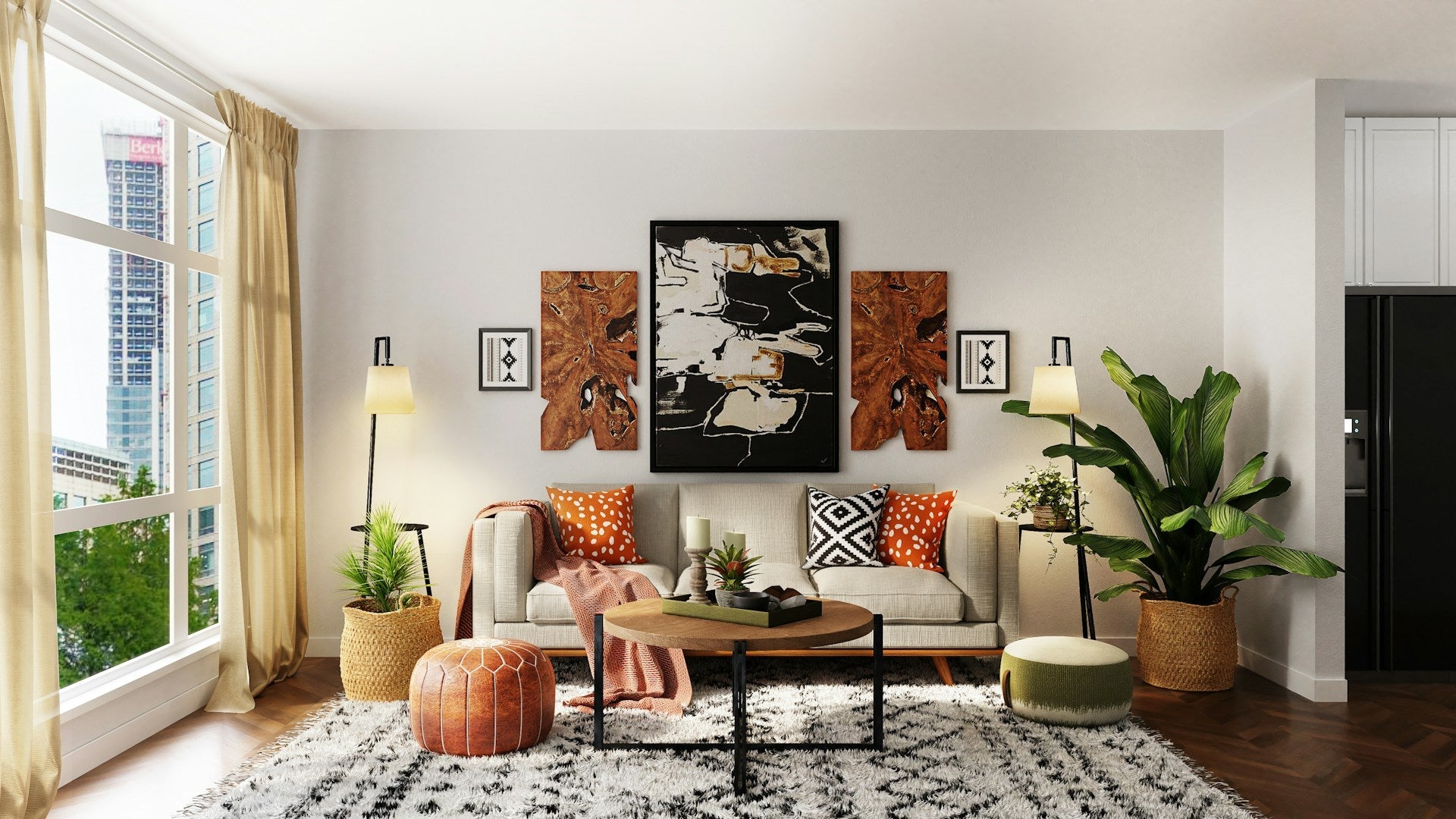
- No matter the room, size plays a role. Large prints work well above a sofa or entry wall, giving the room a quiet anchor
We do not mix photography and painting on the canvas itself, but we often place them near each other. A bold black and white photograph can hold the focus of a room. A painted piece across the way brings contrast. Together, they share space without fighting for attention.
Because of its adaptive style, black and white art beautifully transitions across decades and design trends. Whether placed above a fireplace in an older home or as a centerpiece in a sleek apartment, it serves to anchor the space. There is a seamlessness in how this medium brings together various influences and traditions, quietly uniting them in one visual conversation.
Why These Pieces Stand the Test of Time
Trends change from season to season, but the place black and white photography holds in a home tends to stay. It does not depend on fad or flash to carry meaning.
These pieces ask for a slower kind of engagement. They draw you in gently, hold your focus, and leave room for interpretation. That is part of what makes them stay meaningful in a space.
- They can speak to memory without saying much
- They support change without needing change themselves
- They do not date the room
They hold up whether hung alone in a quiet room or blended into a series of collected works. And they make the space feel steady around them.
Longevity is one of the greatest gifts of black and white photography. These images do not simply fill a trend, they become part of your environment, adapting as your tastes evolve. In a world where so much changes, the enduring beauty of a black and white piece offers a true constant to return to, creating an emotional anchor point in the home.
Find Meaning in Every Shade
Black and white photography does not need anything extra to feel complete. It stands as it is. That is part of what draws people to it. It asks you to look, really look, without distractions.
In homes where things are shifting with the season, where light is different, routines change, and new projects are taking shape, this kind of art brings comfort. It stays steady where the rest of life moves around it.
When the time feels right to bring in new movement or color, layering in butterfly photography can bring a natural lift. But even on its own, black and white art keeps a space centered. Quiet, honest, and sure of itself.
There is depth to each shade within a monochrome image. By inviting careful observation, you begin to notice gentle gradations between light and shadow, and their interplay across the composition. The artwork gains new meaning the longer you live with it, holding stories and moods that shift with your perspective and the light in the room. This is part of the everyday magic: finding something new in the familiar, again and again, as days and seasons pass.
Frequently Asked Questions About Black and White Fine Art Photography
Why do black and white photos feel calmer than color photos?
Black and white photography strips away color, so the eye pays more attention to light, shadow, and form. That simpler visual signal can feel quieter in a room, which helps create a calm mood.
Where should I hang black and white photography at home?
Black and white prints work well where you want focus without visual noise, like above a sofa, in an entryway, or in an office. Larger prints can act as an anchor piece, especially on a main wall.
Does black and white photography work with modern and traditional decor?
Yes. Monochrome art has a clean, steady look that fits minimalist spaces and also pairs well with traditional interiors. It can soften more decorative rooms and still feel intentional.
How do I pair black and white art with color pieces without clashing?
Use black and white as the grounding element, then add one or two color works as accents. The article’s example is pairing monochrome photography with butterfly photography, which adds a “stillness plus movement” mix without making the wall feel busy.
Why do collectors say black and white photography stands the test of time?
Because it doesn’t rely on color trends to feel current. Strong composition, contrast, and emotion tend to stay appealing, even as decor styles change.
Discover the Calm of Grayscale
Discover the quiet strength and clarity of grayscale with our collection of fine art in black and white photography, designed to bring moments of stillness and calm into everyday spaces. Each piece by Joe Papagoda is an original work available as a premium print, and we offer complimentary shipping within the USA for all orders. At ArtFinest, we create work that evolves with the seasons yet remains rooted in purpose. If you feel inspired by this balance, reach out to us today.